
A Place for the Unseen
All the Bright PlacesThis thread traces how side characters and communal settings reveal different responses to vulnerability, belonging, and help.
increasing Bearing strength in each event
 decreasing
Bearing strength in each eventdecreasingBrenda’s Unvarnished Care
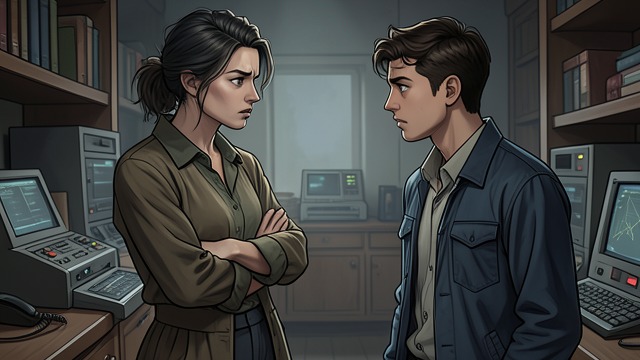
Brenda’s Unvarnished Care
A blunt friend
Brenda Shank-Kravitz teases Theodore Finch and openly disapproves of his interest in Violet Markey. Beneath the jokes, she watches out for him.
A warning to Violet
Brenda tells Violet not to play with Finch’s feelings and later apologizes for the loss of her sister. Her concern is direct rather than polished.
The friendship offers a form of care that does not depend on social status or perfect language.
Amanda’s Hidden Pain
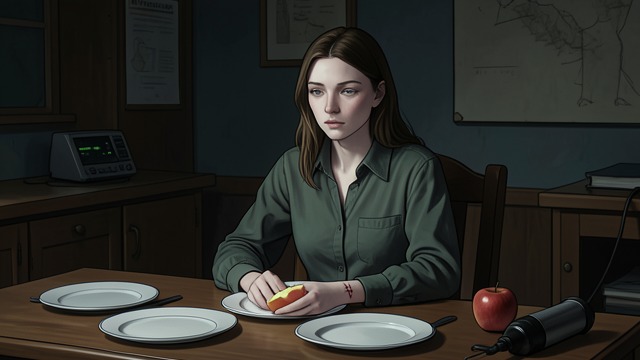
Amanda’s Hidden Pain
A surprising disclosure
Theodore Finch sees Amanda Monk at Life Is Life, where she describes bulimia, two attempts, and the secrecy behind her public gossip and smiles.
A changed understanding
Violet later asks Amanda what suicidal thinking feels like. Amanda explains the sense of worthlessness and narrowed choice that can overwhelm ordinary protections.
Her story complicates Violet’s assumption that popularity and a comfortable home keep a person safe.
Jordan’s Prevention Effort
Jordan’s Prevention Effort
Correcting the gossip
Jordan Gripenwaldt responds to the Bartlett Dirt’s sensational treatment of the tower incident by placing suicide information and resources in the school paper.
Limited reach
Students largely ignore the effort, and Principal Wertz later shuts down the gossip publication. Jordan’s work offers a more responsible model of public attention but cannot alone change school culture.
The subplot shows prevention as necessary even when it receives less attention than scandal.
Mr. Embry’s Limits
Mr. Embry’s Limits
Concern and obligation
Mr. Embry questions Theodore Finch repeatedly, recognizes warning signs, and eventually raises bipolar disorder as a possibility. Finch often withholds what he is thinking.
Regret after death
After Finch dies, Embry admits he feels responsible but acknowledges that hindsight cannot show exactly what more would have changed the outcome. He advises Violet to seek support.
The counselor’s story distinguishes imperfect professional care from indifference while leaving institutional shortcomings visible.
Community at the Tower

Community at the Tower
A shared remembrance
Violet Markey, Brenda Shank-Kravitz, Charlie Donahue, Amanda Monk, and Ryan Cross gather at Purina Tower with candles and music associated with Theodore Finch.
Joy returns briefly
Brenda quotes a poem and dances; others join her. Violet laughs and jumps, experiencing a moment of shared life without mistaking it for the end of grief.
The tribute turns remembrance into a communal act rather than a private shrine alone.
January, after the first wander
March, at Life Is Life
Late January
January through May
After Finch’s funeral
